 how-to
How Do You Choose the Right Heirloom Pepper Seeds for Your Climate?
Last Updated: October 24, 2026
Quick Summary
Choosing the right heirloom pepper seeds climate conditions starts with knowing your frost dates and growing season length. Match early-maturing varieties like Early Jalapeño to short seasons under 90 days, heat-loving types like Calabrian to hot climates, and compact varieties like Shishito to containers.
- Find your exact frost dates using Mississippi State University Extension's free tool by zip code
- Count days between last spring frost and first fall frost to determine your growing season length
- Most pepper varieties need 60 to 90 days from transplant to first harvest
- Start seeds indoors 8 to 10 weeks before your last spring frost for transplant-ready seedlings
- Choose compact varieties like Shishito for container growing in 5-gallon minimum pots
Table of Contents
- Understanding Your Growing Climate and Heirloom Pepper Needs
- Best Heirloom Pepper Varieties for Hot Climates
- Growing Heirloom Peppers for Containers in Limited Spaces
- How to Start Pepper Seeds Indoors for Success
- Days to Maturity for Pepper Varieties: Planning Your Timeline
- Matching Heirloom Peppers to Your Region's Growing Season
- Ordering Your Heirloom Pepper Seeds and Getting Started
- Frequently Asked Questions
Understanding Your Growing Climate and Heirloom Pepper Needs
The first step in choosing the right heirloom pepper seeds climate conditions is understanding what your garden actually offers. Not all peppers thrive everywhere, and picking varieties suited to your specific conditions saves you time, water, and frustration down the road.
Think of it this way: a pepper variety bred for cool mountain climates won't suddenly love your humid Southern summers. That mismatch is why so many gardeners end up with stunted plants or no fruit at all.
Here's what matters most:
- Your average last frost date (when spring freezes stop)
- Your first fall frost date (when cold returns)
- Summer heat levels (some peppers love it, others struggle)
- Humidity patterns (high moisture can trigger disease)
- How long your growing season actually is (the gap between those frost dates)
The good news: once you know your numbers, picking the right heirloom pepper seeds becomes straightforward.
Mississippi State University Extension offers a free tool to find your exact frost dates. Look up your zip code, write down those dates, and count the days between them. That number is your growing season length. Most pepper varieties need 60 to 90 days from transplant to first harvest, so if your season is shorter, you'll want early-maturing types.
Best Heirloom Pepper Varieties for Hot Climates
If you live where summers bring serious heat, you've got an advantage. Learn which heirloom varieties thrive in your hot climate. Many heirloom peppers actually love warm conditions and produce heavily in hot weather.
Calabrian peppers are a top choice for hot climates. These Italian heirlooms thrive in intense sun and deliver medium-hot heat with a smoky, complex flavor. The plants stay productive even when other varieties slow down in peak summer. Calabrian pepper growing guides from university extension services confirm these peppers perform exceptionally well in warm regions. Our Calabrian pepper seeds are a proven variety for gardeners in hot zones.

Aleppo peppers handle heat beautifully too. These Middle Eastern heirlooms have mild heat (5,000-10,000 SHU) and rich, fruity flavor. The plants are adaptable and productive, making them reliable for hot-summer gardeners. They dry well for crushing into flakes.
Early Jalapeño peppers are another solid pick. They mature faster than standard jalapeños and produce thick-walled fruits perfect for salsa or grilling. The plants show excellent disease tolerance and keep producing through hot stretches.
For truly scorching climates, focus on varieties with:
- Proven heat tolerance
- Thick-walled fruits (they handle sun stress better)
- Vigorous plant growth
- Disease resistance to fungal issues that thrive in humidity
Growing Heirloom Peppers for Containers in Limited Spaces
Container growing opens up pepper gardening to apartment dwellers and anyone short on space. The key is choosing compact varieties and giving them enough root room and light.
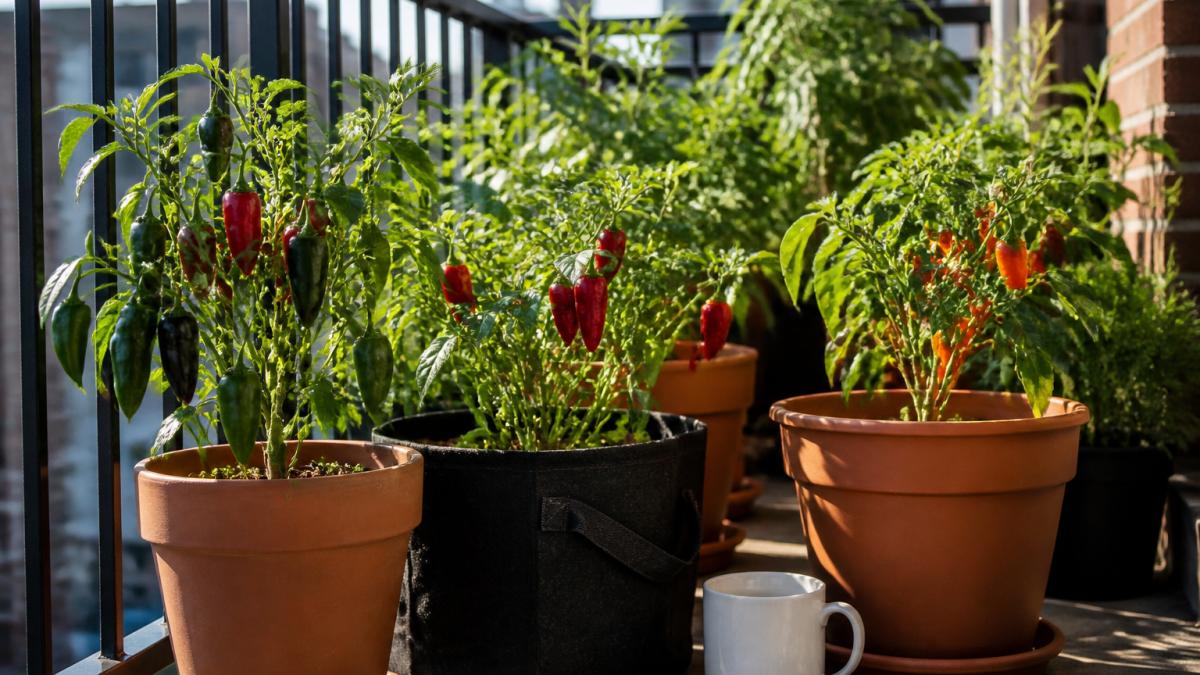
Most pepper varieties adapt well to containers, but some perform better in pots than others. Look for determinate or compact varieties that don't sprawl across five feet of space.
Shishito peppers are excellent for containers. These Japanese heirlooms stay relatively compact and produce abundant small peppers perfect for blistering in a pan. The plants thrive in 5-gallon pots and fruit heavily.
Calabrian peppers also do well in containers. Their slender growth habit fits nicely in confined spaces, and they're productive enough to justify the pot real estate.
Container gardening tips that work:
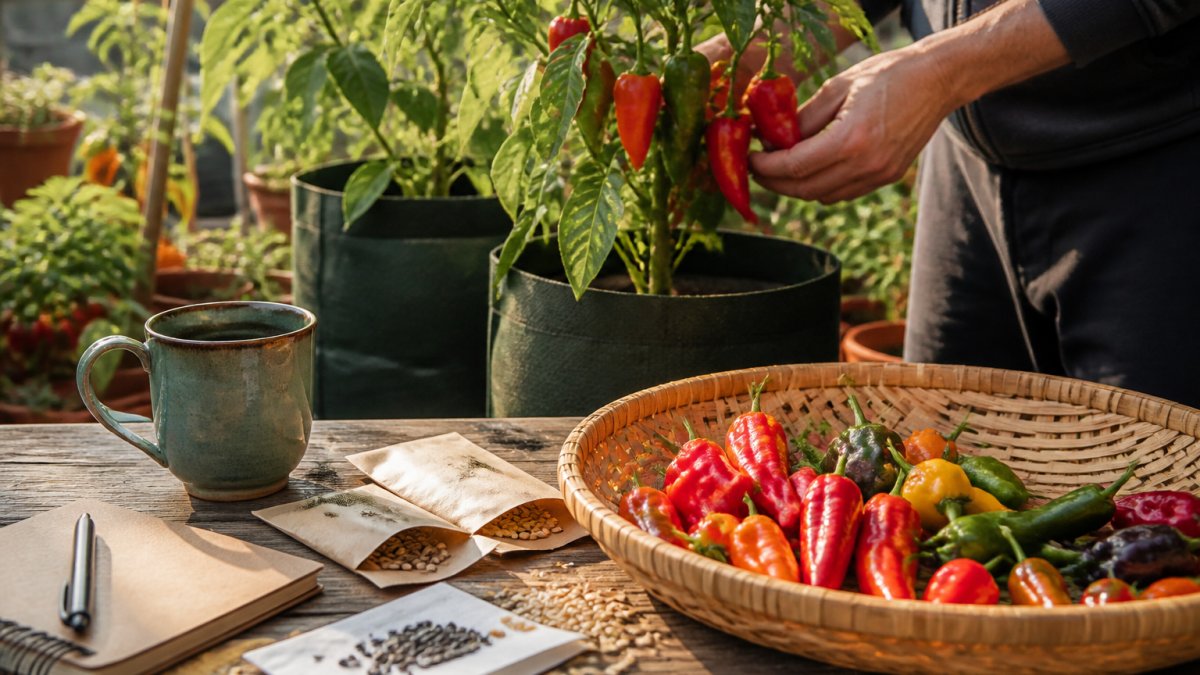
- Use 5-gallon minimum containers (smaller pots dry out too fast in heat)
- Fill with quality potting soil, not garden soil
- Water consistently (containers dry faster than ground beds)
- Place in full sun (6-8 hours minimum, more is better)
- Feed every 2-3 weeks with balanced fertilizer once flowering starts
- Stake or support plants as they grow heavy with fruit
Fabric containers work better than plastic for heat regulation. They breathe, keeping roots cooler during scorching days.
You can learn more about pollination techniques for container peppers to ensure your plants set fruit reliably in pots.
How to Start Pepper Seeds Indoors for Success
Starting seeds indoors gives you a head start on the growing season. Peppers are slow to germinate and grow, so indoor starting is nearly essential if you want mature plants producing fruit by late summer.
Begin your seeds indoors 8 to 10 weeks before your last spring frost. This timing ensures transplant-ready seedlings when outdoor soil warms up.
Here's the process:
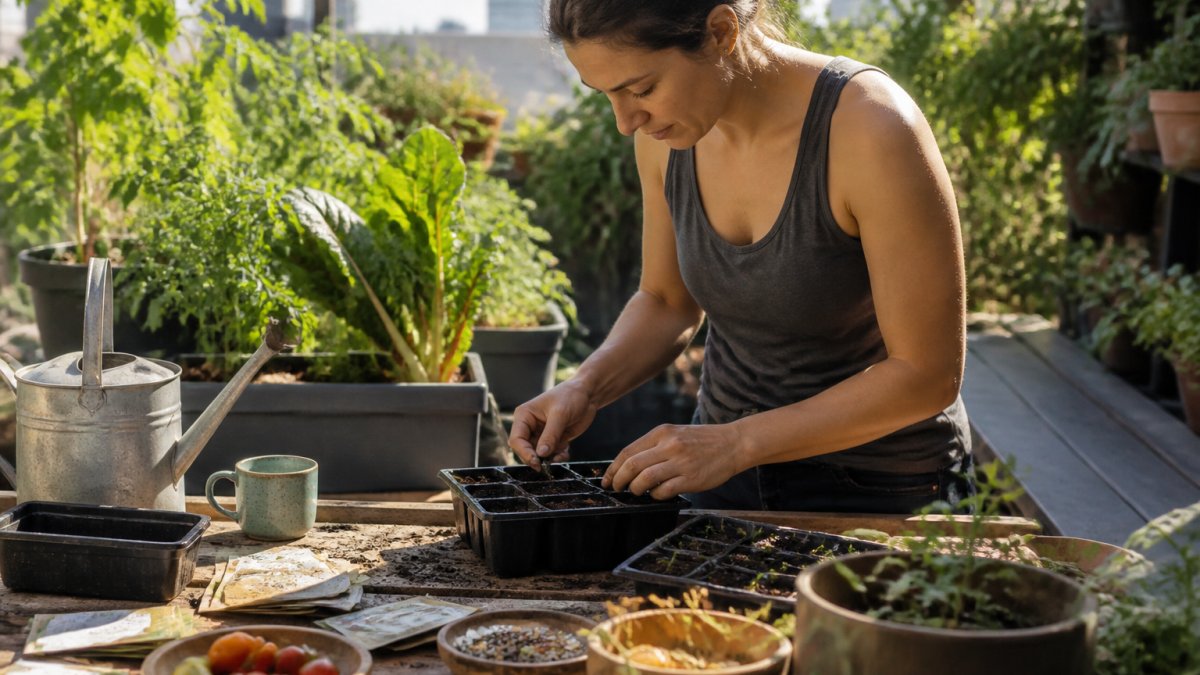
- Fill seed trays with seed-starting mix (light, sterile, drains well)
- Plant seeds about 1/4 inch deep, one per cell
- Water gently until moist throughout
- Cover with a humidity dome or plastic wrap
- Keep soil warm (70-80°F is ideal for germination)
- Provide light once sprouts appear (12-16 hours daily under grow lights)
- Maintain consistent moisture without waterlogging
- Thin to strongest seedling if multiple sprout in one cell
Germination takes 7 to 14 days for most heirloom peppers. Once seedlings emerge, remove the humidity cover and move lights closer to prevent leggy growth.
Seed starting guidelines from Mississippi State University Extension emphasize the importance of consistent warmth and light during this stage. Weak light produces spindly seedlings that struggle after transplanting.
You can find detailed guidance on germinating rare pepper seeds to boost your success rate with unusual varieties.
Days to Maturity for Pepper Varieties: Planning Your Timeline
Understanding days to maturity helps you pick varieties that'll actually ripen in your climate. This number tells you how many days from transplant to first ripe fruit.
Early-maturing varieties (60-75 days):
- Early Jalapeño: 60-70 days, reliable and productive
- Shishito: 65-75 days, compact and prolific
- Thai peppers: 60-75 days, small but abundant
Mid-season varieties (75-90 days):
- Aleppo: 75-90 days, excellent flavor
- Bell peppers: 70-85 days (standard types)
Longer-season varieties (90+ days):
- Habanero: 90-100 days, very hot
- Ghost peppers: 100-150 days, extreme heat
If your growing season is shorter than 90 days, stick with early or mid-season types. Planting a 120-day pepper in a 85-day climate means you'll harvest green fruit that never ripens to full flavor.
Count backwards from your first fall frost date. Subtract 10 days for transplanting and settling in. That's your deadline for getting transplants into the ground. Any variety requiring more days than you have left won't finish.
Different heirloom pepper varieties need different amounts of time to produce ripe fruit, so matching them to your growing season is essential.
| Variety | Days to Maturity | Best For |
|---|---|---|
| Early Jalapeño | 60-70 | Short seasons, reliable harvest |
| Shishito | 65-75 | Containers, compact growth |
| Thai peppers | 60-75 | Early ripening in short climates |
| Aleppo | 75-90 | Medium seasons, excellent flavor |
| Bell peppers | 70-85 | Standard varieties, medium seasons |
| Habanero | 90-100 | Long seasons, very hot peppers |
| Ghost peppers | 100-150 | Long seasons only, extreme heat |
Matching Heirloom Peppers to Your Region's Growing Season
Your region's growing season length is the master constraint. Everything else flows from that single number.
Short seasons (under 90 days frost-free):
- Choose early-maturing varieties only
- Start seeds indoors 10 weeks before last frost
- Use black landscape fabric to warm soil faster
- Consider wall-o-water cloches for extra warmth in early spring
Medium seasons (90-120 days frost-free):
- Most heirloom peppers will work
- Start seeds indoors 8-10 weeks early
- Plant out after soil reaches 60°F consistently
- Standard garden practices work fine
Long seasons (120+ days frost-free):
- You can grow anything, including long-season heirlooms
- Start seeds whenever suits your schedule
- You have flexibility with planting dates
- Focus on heat tolerance instead of speed
Regional growing guides and frost date resources from USDA let you cross-reference your location with specific pepper performance data. This removes guesswork from variety selection.
The friendly reality: gardeners in hot climates with long seasons have the easiest time. Gardeners in short-season areas need to be more selective, but success is absolutely possible with the right varieties.
Ordering Your Heirloom Pepper Seeds and Getting Started
Once you've identified which heirloom pepper seeds climate conditions suit your space, ordering is the easy part. But timing matters.
Order seeds 4 to 6 weeks before you plan to start them indoors. This gives you a buffer for shipping and lets you plan your seed-starting schedule without rushing.
When choosing varieties, consider what you actually want to grow and eat. A gorgeous rare pepper that tastes mediocre won't excite you. Our Early Jalapeño seeds deliver classic flavor and reliable performance. The Aleppo pepper seeds offer something special for cooks who want depth beyond heat. And Shishito pepper seeds bring fun, interactive eating to your garden.


A practical checklist before ordering:
- Know your frost dates and growing season length
- Decide between garden beds or containers
- Pick 2-3 varieties that match your conditions
- Order seeds with enough lead time
- Gather supplies (seed trays, soil, lights, pots)
- Mark your calendar for seed-starting day
Choosing the right heirloom pepper seeds for your climate isn't complicated once you have the basic information. Your frost dates, growing season length, and space constraints point you toward varieties that'll actually thrive. Start with early-maturing types if your season is short. Embrace heat-loving varieties if summers are scorching. Go compact if you're growing in containers.
The gardeners who succeed aren't the ones with perfect conditions. They're the ones who picked varieties matched to what they actually have.
Growing heirloom peppers transforms your kitchen and your garden. The flavors you'll harvest beat anything from a grocery store, and the satisfaction of growing something rare and beautiful is hard to beat. Heritage Cottage Seeds has curated heirloom pepper varieties proven to perform in real gardens, not just ideal conditions. Start with seeds matched to your climate, follow basic seed-starting practices, and you'll be harvesting exceptional peppers by late summer. Get started with Heritage Cottage Seeds heirloom pepper varieties and grow something truly special.
Frequently Asked Questions
How do I know which heirloom pepper varieties will actually grow well in my climate?
Start by checking your USDA hardiness zone and average last frost date, these tell you your growing season length. Heirloom peppers need 60-90 days from transplant to mature fruit, depending on variety. Hot climates (zones 9-11) support long-season peppers like Calabrian and Aleppo. Shorter growing seasons need early-maturing varieties like Early Jalapeño. Mississippi State University Extension recommends matching days to maturity to your frost-free period. Check seed packet information for heat tolerance and humidity resistance specific to your region.
Can I grow heirloom peppers in containers on a small balcony or patio?
Absolutely. Heirloom peppers thrive in containers 5-10 gallons in size with well-draining soil. Compact varieties like Shishito and Early Jalapeño are especially suited to container growing. Place containers where they receive 6-8 hours of direct sun daily. Water consistently, containers dry out faster than garden beds. Container gardening is perfect for apartment dwellers and those with limited space. Many heirloom varieties produce abundantly in pots, making them ideal for urban gardeners seeking fresh peppers year-round.
What's the difference between heirloom and hybrid pepper seeds?
Heirloom peppers are open-pollinated varieties passed down through generations, producing seeds that grow true to type, meaning next year's plants will match this year's. Hybrids are crosses between two parent varieties, bred for specific traits like disease resistance or uniformity, but their seeds won't produce identical plants. Heirloom varieties like Calabrian and Aleppo offer unique flavors, colors, and heritage appeal. If you want to save seeds year after year, heirloom is your choice. Heritage Cottage Seeds specializes in heirloom varieties perfect for seed saving and sustainable gardening.
When should I start pepper seeds indoors to get transplants ready on time?
Start pepper seeds indoors 8-10 weeks before your last spring frost date. Peppers germinate best at 70-80°F and need consistent moisture and bright light once sprouted. Seedlings are ready to transplant outdoors when they're 6-8 inches tall and have several true leaves. If your last frost is May 15, start seeds around mid-March. Mississippi State University Extension recommends hardening off seedlings by gradually exposing them to outdoor conditions 7-10 days before transplanting. This timing ensures sturdy transplants ready to produce throughout your growing season.