 how-to
Choosing the Best Heirloom Seeds for Southern Heat
Last Updated: October 23, 2026
Quick Summary
Choose heirloom seeds with real heat history, like small-fruited tomatoes, okra, peppers, and basil that set fruit when nights stay warm. Look for wild or desert origins, compact habits, and disease resistance, then give roots a cool, roomy container.
- Most large tomatoes stop setting fruit once nights stay above roughly 75°F.
- Everglades is an indeterminate wild-type cherry that shrugs off humidity and resists disease.
- Heritage Cottage Orange is a compact determinate topping out around 3 to 4 feet tall.
- Baby Bubba okra stays around 3 to 4 feet and produces tender, spineless pods 3 to 5 inches long.
- Start warm-season seeds indoors about six to eight weeks before your last expected frost.
Table of Contents
- Why Southern Heat Demands a Different Kind of Heirloom Seed
- Heat-Tolerant Heirloom Tomato Varieties That Keep Setting Fruit
- Heirloom Vegetables for Hot Humid Climates Beyond Tomatoes
- Vegetable Gardening in Containers in Hot Weather: What Actually Works
- When to Plant Vegetables in the Southeast (and How to Read the Signals)
- How to Tell If an Heirloom Variety Is Built for Heat
- Common Mistakes That Sink a Southern Heirloom Garden
- Conclusion
- Frequently Asked Questions
Why Southern Heat Demands a Different Kind of Heirloom Seed
Choosing the best heirloom seeds for southern heat is not the same as picking seeds for a mild-summer garden. Heat and humidity change everything. At Heritage Cottage Seeds, we've learned that a tomato bred for a short cool season will sulk and drop its blossoms once the nights stay warm, no matter how carefully you water it.
Here's the good news. Some heirloom seeds have spent generations adapting to exactly this weather. Those are the ones worth your garden space.
Heirloom seeds are open-pollinated seed varieties passed down through generations, saved and replanted year after year because they perform well and taste good. That long history is the whole point. A variety that survived decades of Southern summers already passed the test you're about to put it through.
Below, we'll walk through the varieties that hold up, how to grow them in containers, and the timing that keeps a Southeast garden productive into fall.
Heat-Tolerant Heirloom Tomato Varieties That Keep Setting Fruit
The best heat-tolerant heirloom tomato varieties set fruit when nighttime temperatures stay in the seventies. That's the single trait that separates a productive Southern tomato from a disappointing one.
Most large tomatoes stop setting fruit once nights stay above roughly 75°F. The pollen goes sticky and the blossoms drop. So look for smaller-fruited types and varieties with a reputation for toughing it out.
Everglades: The Wild Cherry That Laughs at Humidity
Everglades is the tomato we reach for first when someone asks about Southern heat. This wild-type cherry tomato shrugs off humidity, resists disease, and keeps pumping out tiny half-inch fruit all season.
It's an indeterminate vine, so give it a sturdy cage or trellis. It sprawls happily in a large container or along a garden edge. The flavor is bold and old-fashioned, sweet with a tart snap. Expect hundreds of bite-size tomatoes from a single plant.
If you want to grow it yourself, you can shop Everglades tomato seeds and start a plant this season.

Heritage Cottage Orange: A Compact Determinate for Small Spaces
Not everyone has room for a sprawling vine. Heritage Cottage Orange is a compact determinate that tops out around 3 to 4 feet tall, which makes it a natural fit for a patio pot or raised bed.
The fruit runs 6 to 8 ounces with firm flesh and a sweet-tangy flavor. It ripens in a concentrated window, so you get a big harvest at once instead of a slow trickle. That's handy if you're canning or making sauce.
You can order Heritage Cottage Orange tomato seeds if a tidy, space-saving slicer sounds like your kind of plant.

Here is how the article's heat-tolerant heirloom tomato picks compare.
| Variety | Type | Fruit size | Key trait |
|---|---|---|---|
| Everglades | Indeterminate wild-type cherry | Half-inch | Shrugs off humidity, resists disease, bears all season |
| Heritage Cottage Orange | Compact determinate | 6 to 8 ounces | Tops out around 3 to 4 feet, ripens in one window |
Heirloom Vegetables for Hot Humid Climates Beyond Tomatoes
Tomatoes get all the attention, but the real workhorses of a hot humid climate are okra, peppers, and basil. These plants don't just survive the heat. They seem to enjoy it.
Okra, Peppers, and Basil That Hold Up Through August
Okra is the most heat-proof vegetable in the Southern garden. Baby Bubba is a compact heirloom that stays around 3 to 4 feet tall and produces tender, spineless pods 3 to 5 inches long. It grows beautifully in a container and keeps producing right through the hottest weeks. While okra thrives in the sweltering sun, other staples like backyard garden potatoes require a more strategic approach to timing and soil moisture to ensure a successful harvest.
Peppers love warm weather too. The Datil pepper brings a bright, citrusy heat with a fruity finish. The tiny Chiltepin, often called the mother of all peppers, is a wild desert native that thrives in punishing heat. Both do well in pots.
Basil rounds out the trio. Mrs. Burns Lemon Basil grows fast, reaches 24 to 30 inches tall, and fills the air with lemon scent. It's a pollinator magnet and a kitchen staple.
Tomato - Heritage Cottage Orange →
For more variety ideas, our guide to the best okra varieties for Southern gardens digs into what to plant next.
Vegetable Gardening in Containers in Hot Weather: What Actually Works
Container gardening in hot weather comes down to three things: pot size, soil temperature, and water. Get those right and the plant does the rest.
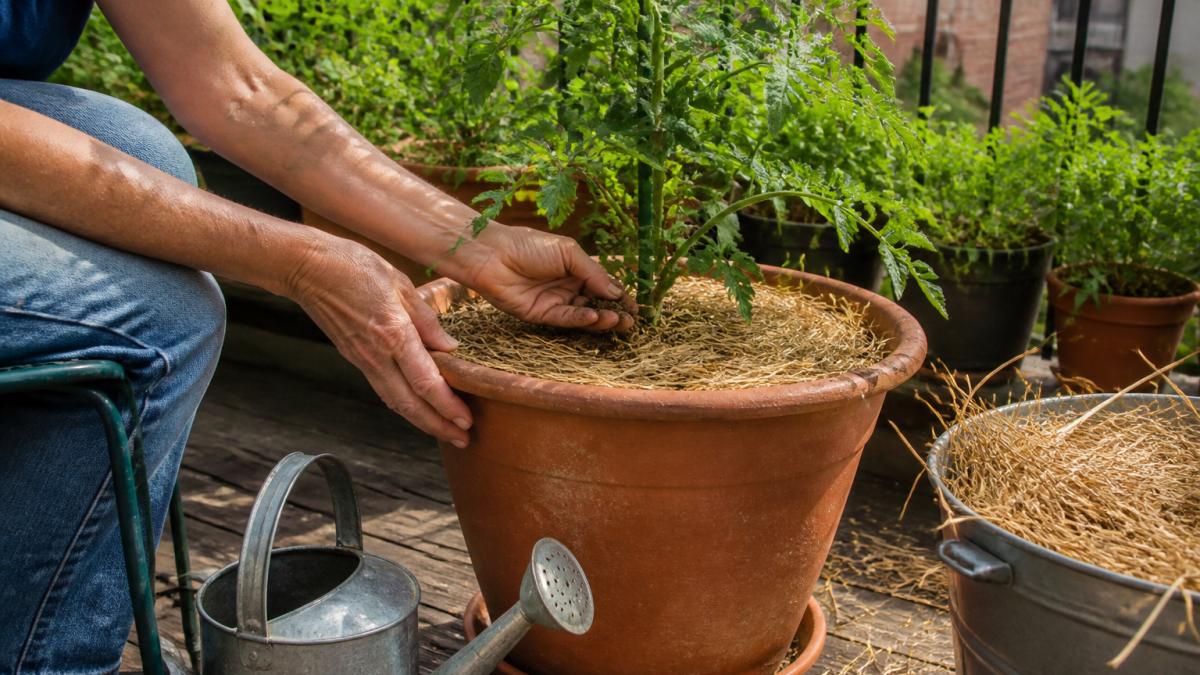
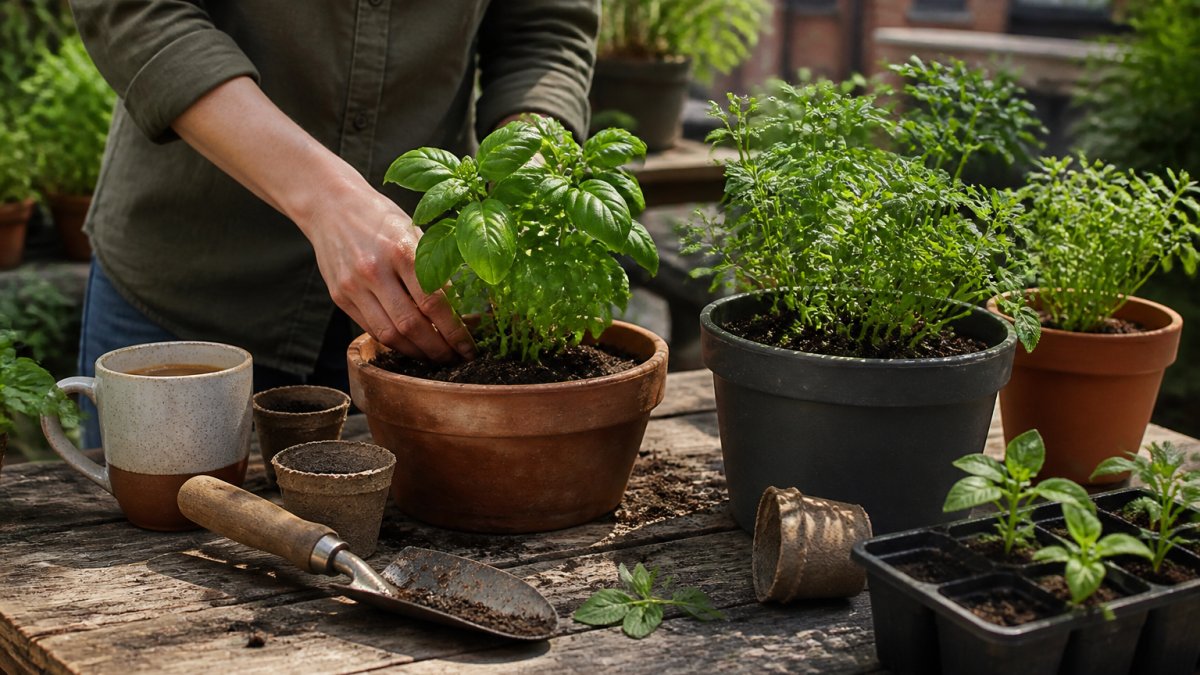
First, go bigger than you think. A small pot heats up fast and dries out by noon. A 15-to-20-gallon pot holds moisture and keeps roots cooler. Terracotta and light-colored containers stay cooler than dark plastic.
Second, mulch the top of the soil. A layer of straw holds moisture and shades the roots. Third, water deeply in the morning, not a light sprinkle at dusk.
- Use light-colored, large containers
- Add straw mulch to shade the soil surface
- Water deeply in the early morning
- Give vines a trellis or cage for airflow
- Move pots so they catch morning sun and afternoon shade
When to Plant Vegetables in the Southeast (and How to Read the Signals)
Timing in the Southeast runs on a different clock than the rest of the country. Spring arrives early, and the real enemy is summer heat, not frost.
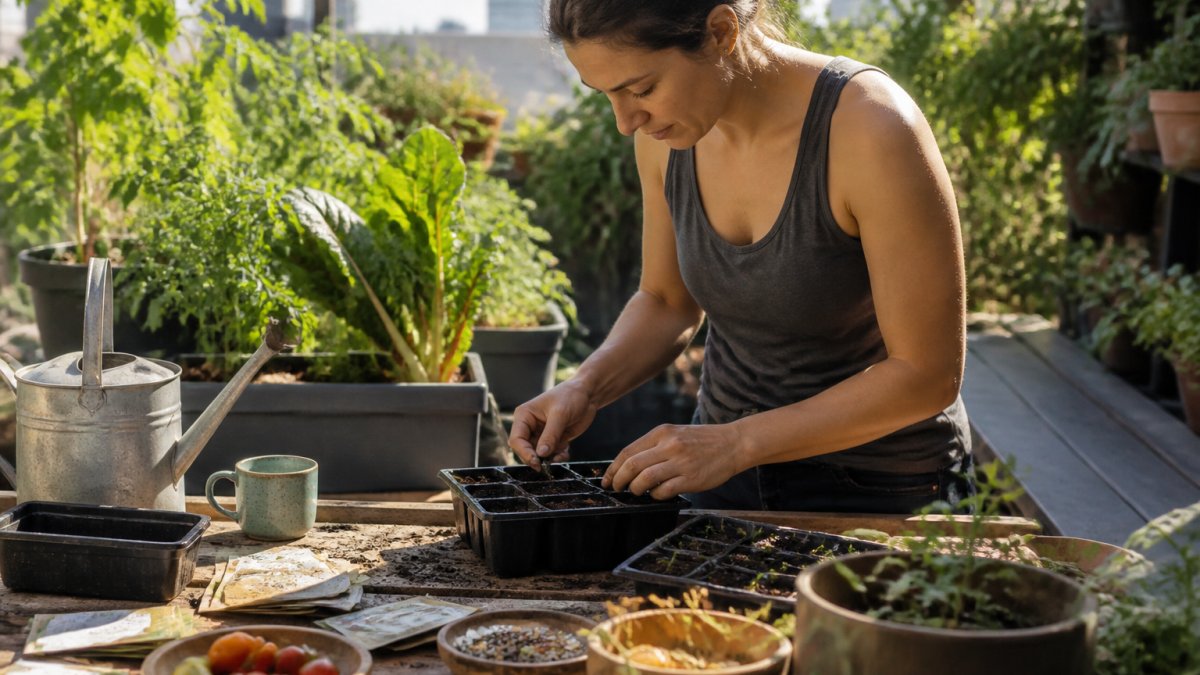
Start warm-season seeds indoors about six to eight weeks before your last expected frost. Set transplants out once the soil has warmed and nights stay reliably mild. For fall, count backward from your first frost and start a second round of heat-lovers in midsummer.
The signals matter more than the calendar. Watch for soil you can work without it clumping, and nights that stay warm. Our guide on starting heirloom seeds in hot Southern climates walks through the timing in detail.
How to Tell If an Heirloom Variety Is Built for Heat
You can often spot a heat-ready variety before you ever plant it. Look at the clues on the seed packet and in the plant's history.
- Small fruit: Cherry and small-fruited types set fruit in heat better than big beefsteaks.
- Wild or desert origins: Varieties with a wild background handle stress well.
- Determinate or compact habit: These finish fast before the worst heat.
- A regional story: Seeds saved for generations in a hot place carry real adaptation.
- Disease resistance: Look for notes on wilt and blight tolerance.
A common mistake is chasing the biggest, fanciest tomato in the catalog. In the South, the reliable producer beats the showpiece almost every time.
Common Mistakes That Sink a Southern Heirloom Garden
The biggest mistake is planting on the wrong schedule. Gardeners who plant cool-season crops in late spring watch them bolt and wither. Match the plant to the season, and half your problems disappear.
Overwatering is the next trap. Heat makes people water more, but soggy soil rots roots. Check moisture with your finger before you reach for the can.
Skipping mulch and planting in tiny pots round out the list. Both leave roots exposed to baking soil. If heat stress is your worry, our guide to protecting plants from Southern heat covers shade cloth, watering, and timing in depth.
Conclusion
A hot, humid summer will test any garden. The fix isn't more effort. It's better seed choices and a few smart habits.
Heritage Cottage Seeds grows and saves rare, proven varieties from our own urban farm. Our Mississippi State University Extension friends offer solid regional guidance, and we're proud to carry seeds that answer it. Search our catalog today and find the varieties built for your heat.
Frequently Asked Questions
Which heirloom vegetables grow best in hot, humid weather?
Okra, hot peppers, and cherry-type tomatoes handle Southern heat and humidity better than most. Baby Bubba okra stays compact at 3-4 feet and keeps producing pods all summer. Datil and chiltepin peppers are warm-climate heirlooms that set fruit through high temperatures. Everglades tomato is a wild-type cherry bred for heat and disease resistance. Mississippi State University Extension also points Southern gardeners toward warm-season crops like southern peas and sweet potatoes when the mercury climbs. The common thread is varieties with a track record in the South, not ones bred for mild summers.
What heirloom tomato varieties tolerate heat?
Everglades is the standout for sheer heat tolerance. It's an indeterminate wild-type cherry that produces clusters of half-inch fruit all season and shrugs off humidity that shuts down larger slicers. Heritage Cottage Orange is a determinate option that stays 3-4 feet tall, which suits containers and raised beds where heat builds fast. Cherokee Purple is an indeterminate beefsteak that thrives in garden beds and large containers, though it appreciates afternoon shade in the hottest weeks. Look for varieties with small fruit or wild-type genetics when heat is your main obstacle.
When should I plant warm-season vegetables in the Southeast?
Mississippi State University Extension advises planting warm-season crops after the last expected frost, once soil has warmed to roughly 60 degrees Fahrenheit or higher. In most of the Southeast that lands somewhere between late March and mid-April, though coastal areas run earlier and inland spots run later. Tomatoes and peppers benefit from starting seeds indoors six to eight weeks before that date. Okra waits for genuinely warm soil, so it typically goes in a couple of weeks after tomatoes. Watch your local extension office's planting calendar rather than a national chart.
Can vegetables grow well in containers during hot summers?
Yes, with a few adjustments. Use the largest container you can manage, since small pots heat up fast and dry out by midday. A 5-gallon pot or bigger suits compact tomatoes, peppers, and okra. Mulch the surface with straw to slow evaporation, water deeply in the morning rather than lightly every evening, and give pots afternoon shade when temperatures push past 95 degrees. Mississippi State University Extension notes that container growing works well for Southern gardeners with limited space, as long as you stay on top of watering. Determinate and compact varieties are the easiest place to start.
A Southern summer can wilt the best intentions. Heritage Cottage Seeds makes it easier with rare, heat-tested heirloom varieties grown and saved on our own urban farm. Browse compact container-friendly tomatoes, tough okra, and bold peppers, all chosen to perform in real Southern conditions. Get started with Heritage Cottage Seeds and grow a garden that thrives when the mercury climbs.