 how-to
How to Fix Heirloom Seeds That Won't Sprout
Last Updated: November 4, 2026
Quick Summary
Heirloom seeds sprout poorly most often because they were planted too deep, the soil is too cold or too wet, or the seed itself is old. Check planting depth first, keep soil warm and evenly damp, then run a germination test on old seed before sowing.
- Plant small seeds barely covered, medium seeds about 1/4 inch deep, and larger seeds 1/2 to 1 inch deep.
- Keep the mix damp like a wrung-out sponge and avoid daily watering that can cause damping off.
- Run a germination test with ten seeds on damp paper towels, and sow more thickly if only 3 or 4 sprout.
- Store seed in a sealed jar with silica gel in the coolest, darkest room you have.
Table of Contents
- Why Heirloom Seeds Can Be Slower to Sprout Than You Expect
- Planting Too Deep or Too Shallow
- Soil Temperature and Moisture: The Balance That Wakes Seeds Up
- Old Seed, Poor Storage, and Low Viability
- How Long Heirloom Seed Germination Time Really Takes
- Container Conditions, Light, and Microclimate Fixes
- Your Next Step: Restart Stalled Seeds in Containers
- Frequently Asked Questions
Ever planted a packet of heirloom seeds, waited two weeks, and seen nothing but bare dirt? You are not alone. Heirloom seeds can be slower and pickier than the hybrid seeds sold at big box stores, and that is part of their charm, especially when you are waiting on your first heirloom seeds sprout. Most stalled seeds have a simple cause: planting depth, temperature, moisture, or old seed. We are Heritage Cottage Seeds, and these same problems come up again and again among gardeners. Here is how to find the cause and get your seeds moving again.
Why Heirloom Seeds Can Be Slower to Sprout Than You Expect
Heirloom varieties are open-pollinated, so every seed carries a little genetic variation. If heat and microclimate are holding your seeds back, our guide to starting heirloom seeds in hot Southern climates walks through practical fixes. Some seeds wake up quickly, while others take their time. That spread is normal, not a sign of a bad batch. Many gardeners give up too soon, especially in containers where the soil dries out faster than in a garden bed.
A good rule is to wait the full germination window listed on the packet before you judge a seed as failed. Keep the soil evenly moist and warm, then check again.
Planting Too Deep or Too Shallow
Depth is the most common mistake we see. Plant a seed too deep and it may run out of energy before it reaches the surface. Plant it too shallow and it can dry out or get washed away.
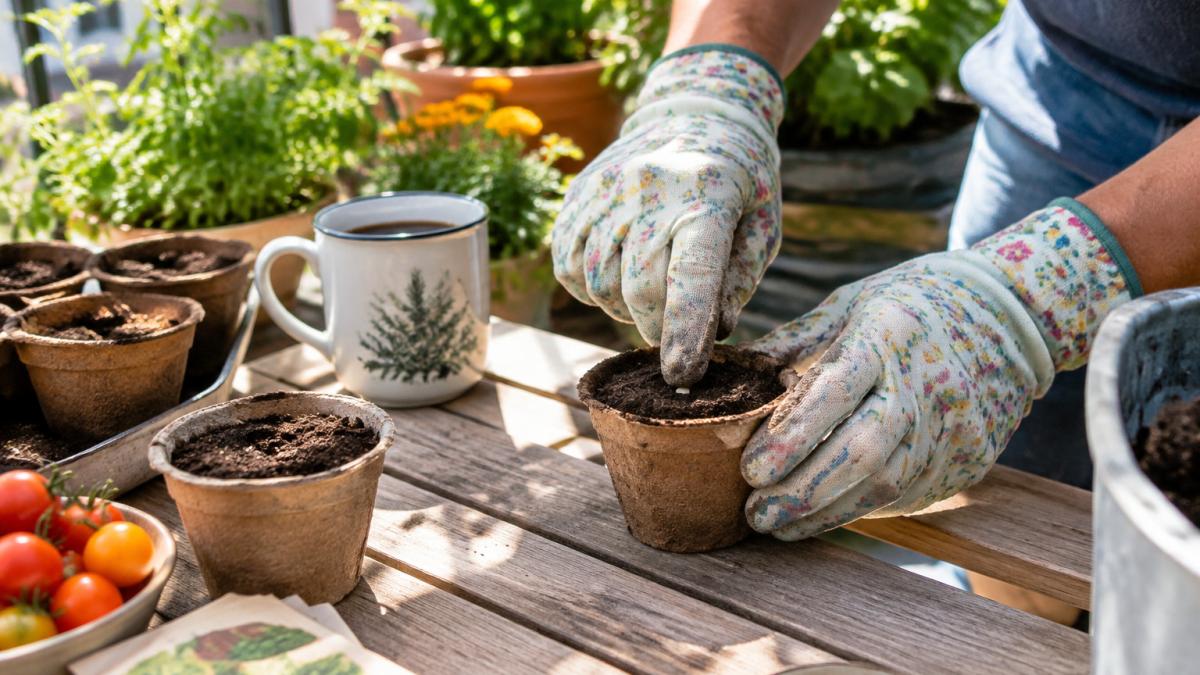
- Small seeds (like lettuce or basil): press them onto the surface and barely cover them.
- Medium seeds (like peppers): cover with about 1/4 inch of mix.
- Larger seeds (like squash or beans): plant about 1/2 to 1 inch deep.
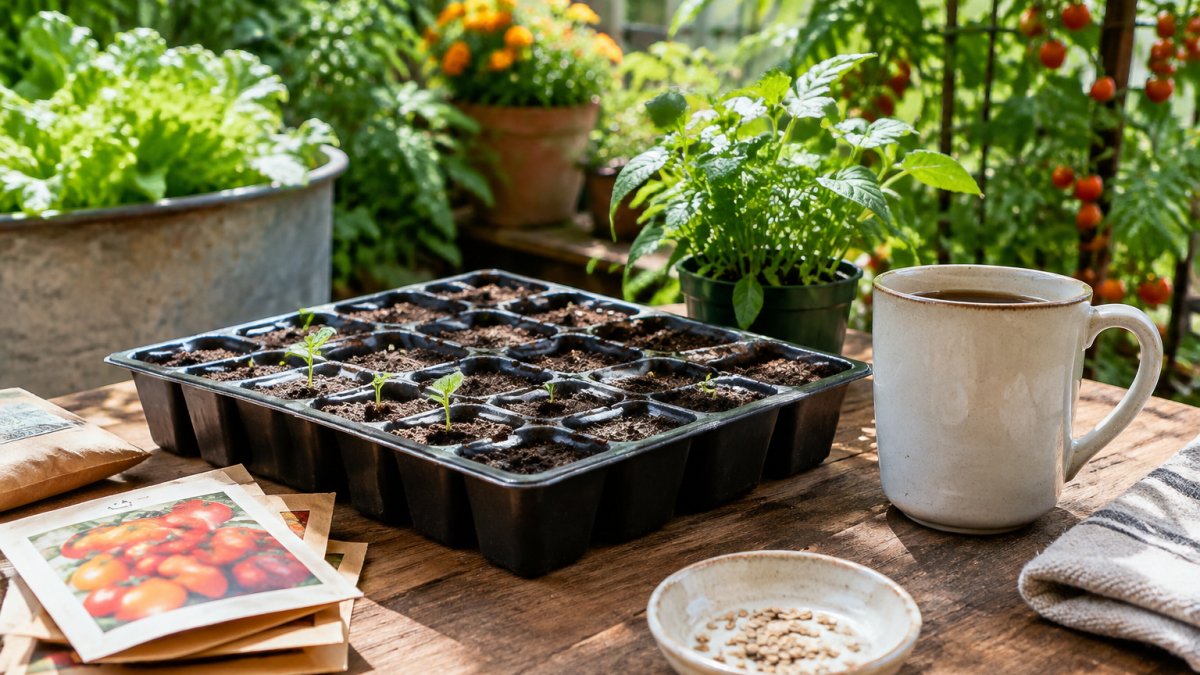
A common approach is to use a seed starter mix in a shallow container with drainage holes. Mark the depth on a pencil so you can check it quickly.
Soil Temperature and Moisture: The Balance That Wakes Seeds Up
Warm soil speeds germination, and tomatoes and peppers especially need heat. Cold soil can leave seeds sitting for weeks or cause them to rot. A heat mat or a sunny windowsill often makes a real difference.
Moisture matters just as much. The mix should feel like a wrung-out sponge, damp but not soggy.
Why Overwatering Seeds Before Germination Backfires
Too much water starves seeds of oxygen and invites damping off, a fungal problem that kills seedlings at the soil line (watering seedlings). Many gardeners drown their seeds by watering every day out of worry. Instead, water gently, let the top layer dry slightly, and cover containers with a humidity dome until sprouts appear. Then remove the dome to prevent mold.
Old Seed, Poor Storage, and Low Viability
Seeds do not last forever. Heat, humidity, and time all reduce viability, and heirloom seeds can be especially vulnerable because many are saved from small batches rather than commercial production. A packet stored in a hot garage for several years may sprout poorly even under perfect conditions. The good news is you can test before you sow, and you can store better going forward.
Two Ways to Test Old Heirloom Seeds
Gardeners commonly use two tests, and they answer different questions.
- Float test: Drop seeds into a glass of water. Seeds that sink are generally considered more likely to be viable; those that float may be hollow or damaged (Seed collection mold / germination rate). This is a quick screen, not a guarantee. Some perfectly good seeds float, especially small or dry ones, so treat it as a first pass only.
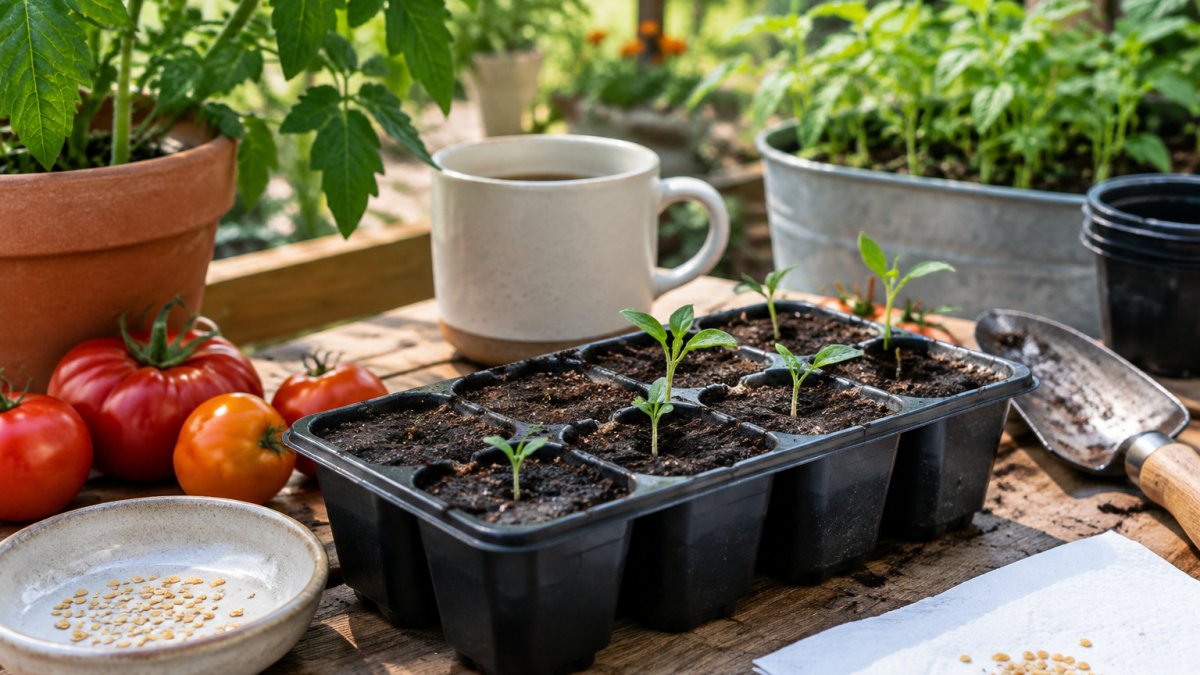
- Germination test: This is the more reliable method. Count out ten seeds, place them between damp paper towels, seal them in a plastic bag, and keep them warm, around 70 to 75°F is a common target for many vegetables. Check daily and count sprouts after the expected germination window for that crop. If 7 or more of 10 sprout, your batch is in good shape. If only 3 or 4 sprout, sow more thickly or buy fresh seed. If none sprout, the seed is done.
Watch out: A float test alone can lead you to toss good seed. Always follow up with a germination test before you discard an heirloom variety you care about.
Storage That Protects Heirloom Genetics
Seeds stay viable longest when they are kept cool, dark, and dry. A sealed jar in a drawer works well for many gardeners. Our guide to containers for storing heirloom seeds explains which options keep seed viable longest.
Mississippi State University Extension notes that proper storage conditions directly affect germination rates. If you grow in containers, store your seed packets in a sealed container away from the heat that builds up on a patio or in a shed.
When to Give Up on a Batch
If a germination test shows very low results and you have already checked depth, temperature, and moisture, it is usually faster to start fresh seed than to nurse a weak batch. Sow a fresh packet alongside the old one if you want to compare, and keep notes on which varieties store well for you from year to year.
Here is a quick reference for the two seed-viability tests covered above, so you can pick the right one for your situation.
Tomato - Heritage Cottage Orange →
| Test | What it tells you | Key limitation |
|---|---|---|
| Float test | Sinking seeds are generally more likely viable | Some good seeds float, so it is only a first pass |
| Germination test | Share of 10 seeds that sprout | Needs several days and a warm spot |
| 7 or more of 10 sprout | Batch is in good shape | Sow as normal |
| 3 or 4 of 10 sprout | Batch is weak | Sow more thickly or buy fresh seed |
| None sprout | Seed is done | Replace the batch |
How Long Heirloom Seed Germination Time Really Takes
Germination time depends on the variety and the conditions, and heirloom varieties often sit at the slower end of the range. Tomatoes often sprout in 5 to 10 days when warm, while peppers can take 2 to 3 weeks. Some herbs and heirloom varieties take even longer. Check the packet first, then compare your results to that range. Slow is not always failure, but some heirloom seeds need a little help before they will sprout at all.
Why Some Heirloom Seeds Need Pre-Treatment
Many heirloom varieties are closer to their wild relatives than modern hybrids, and that shows up in their seed coats. Two pre-treatments come up again and again with heirloom growers, and most general seed-starting articles skip them entirely.
- Stratification (cold treatment): Some heirloom perennials and cool-season crops need a period of cold, moist conditions to break dormancy. A common approach is to place seeds between damp paper towels in a sealed bag and refrigerate them for a few weeks before sowing. Check your packet or a reliable variety description first, because not every heirloom needs this. Our step-by-step guide to saving heirloom seeds explains how viability is judged and preserved from the source.
- Scarification (seed coat nicking): Seeds with hard coats, some beans, morning glories, and certain heirloom flowers, germinate more reliably if you gently nick or sand the seed coat so water can get in. Use a nail file or sandpaper and go slowly. You only need to break the outer layer, not dig into the seed itself.
Watch out: Scarifying too deeply can damage the embryo and kill the seed. Nick just until you see a lighter color under the coat, then stop.
Matching Timing to Your Container Setup
In containers, timing is tighter because the mix warms and dries faster than garden soil. Start cool-season heirloom crops when your container mix stays reliably cool, and hold warm-season crops until the mix is consistently warm, a heat mat helps here. Mississippi State University Extension recommends matching container size and mix to the crop, and that same logic applies to timing: a small container heats up fast.
Keep a simple log of when you sowed, what the soil temperature was, and when the first sprout appeared. After a season or two you will have your own germination timing chart for the heirloom varieties you grow most, which beats any generic packet range.
Container Conditions, Light, and Microclimate Fixes
Containers heat up quickly in a Southern summer and can dry out in a single afternoon. Here are fixes that help:
- Move containers to a spot with morning sun and afternoon shade.
- Use a light-colored container to reduce heat buildup.
- Check moisture twice a day during hot spells.
- Use a grow light for indoor starts so seedlings do not stretch and weaken. Our roundup of grow lights for indoor seed starting covers options that suit small setups.
Small microclimate changes, like a shaded corner or a windbreak, can rescue stalled seeds. Mississippi State University Extension recommends matching container size and mix to the crop.
Your Next Step: Restart Stalled Seeds in Containers
Start by checking depth, temperature, and moisture. If the seeds are old, sow a fresh batch alongside them. Our tomato and pepper varieties are a great place to begin, including Heritage Cottage Orange and Siberian Red Heirloom.
Frequently Asked Questions
Why won't my heirloom seeds sprout? The most common causes are planting too deep, cold soil, overwatering, or old seed. Check each one and adjust.
How long should heirloom seeds take to germinate? It depends on the variety, but many sprout within 1 to 3 weeks in warm conditions. Check your packet for the exact window.
Can I still use old seeds? Sometimes. Run a paper towel test first. If most seeds sprout, sow them more thickly.
Frequently Asked Questions
Why haven't my heirloom seeds germinated after two weeks?
Two weeks is within the normal range for many heirloom vegetables, especially tomatoes and peppers, which can take 7 to 21 days or longer. The most common causes are soil that is too cold, soil that stays waterlogged, or planting too deep. Check the seed packet for its recommended germination window, keep the seed starter mix consistently moist but not soggy, and maintain a warm spot around 75 to 85 degrees Fahrenheit. If nothing appears after the full window, test a few seeds using the paper towel method before replanting.
How can I tell whether heirloom seeds are too old to sprout?
Seed viability drops as seeds age, and older seed lots often sprout unevenly or not at all. Test a sample by placing 10 seeds between damp paper towels inside a sealed bag at room temperature for about a week. If fewer than half sprout, the lot is weak, so sow more thickly or buy fresh seed. Store seeds in a cool, dry, dark place in an airtight container to slow decline.
Can planting heirloom seeds too deeply stop them from sprouting?
Yes. Most vegetable seeds need to be sown at a depth of about two to three times their diameter. Planting too deep uses up the seedling's stored energy before it reaches the surface, and it can cause the seed to rot in cold, wet soil. Sow tomato and pepper seeds about one quarter inch deep in a container, and cover lightly with fine seed starter mix rather than heavy potting soil.
What should I do if my seeds sprout unevenly in a container?
Uneven sprouting usually points to variations in moisture, temperature, or seed age. Make sure every cell or pot gets the same watering, use a bottom-heat mat or a warm windowsill for consistency, and discard any container where the mix has dried out or become waterlogged. Seeds that are slow to emerge may still come up within the full germination window, so give them time before resowing. Thin only after several true leaves appear.
Ready to get growing? Browse heirloom tomato and pepper seeds at Heritage Cottage Seeds and start your next container garden with seeds we have grown and saved ourselves.